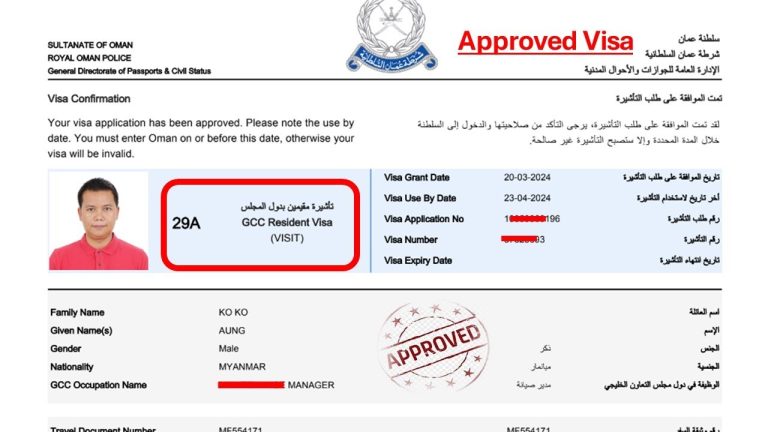
oman visa gcc residents

Oman Visa for GCC Residents: Requirements, Eligibility, Application Process, and Travel Tips
Introduction
Oman is a popular travel destination in the Gulf region, attracting visitors with its beautiful mountains, sandy beaches, traditional markets, historic forts, and modern cities. For people living in Gulf Cooperation Council (GCC) countries, including the United Arab Emirates, Saudi Arabia, Qatar, Kuwait, and Bahrain, Oman is an attractive destination for holidays, business trips, and family visits.
If you are a GCC resident planning to visit Oman, understanding the visa requirements before travelling can help you avoid delays and unnecessary expenses. Although citizens of GCC countries generally enjoy visa-free movement between member states, foreign nationals who hold residence permits in GCC countries may need to meet specific eligibility requirements to enter Oman.
This guide explains the Oman visa for GCC residents, including eligibility, required documents, the application process, possible fees, and practical travel advice.
What Is an Oman Visa for GCC Residents?
An Oman visa for GCC residents is an entry permission that may be available to eligible foreign nationals who legally reside in a GCC member country. It is particularly useful for expatriates who want to visit Oman for tourism or other permitted short-term purposes.
For example, a foreign national living and working in Dubai, Abu Dhabi, Riyadh, Doha, Kuwait City, or Manama may be eligible to apply for an appropriate Omani visa based on their residence status, occupation, nationality, and travel purpose.
However, having a valid GCC residence permit does not automatically guarantee entry into Oman. Visa requirements differ depending on the traveller’s nationality and circumstances. Some travellers may qualify for a simplified visa process, while others may need to obtain a different visa before departure.
Therefore, checking the applicable rules before making travel arrangements is essential.
Who Is Eligible for an Oman Visa for GCC Residents?
Eligibility generally depends on several factors. Applicants should ensure that their personal documents meet the requirements established by the Royal Oman Police and the relevant Omani authorities.
The main factors to consider include:
1. Valid GCC residence permit
Applicants should hold a valid residence permit issued by an eligible GCC country. An expired residence card or a residence permit that cannot be verified may create problems during the application process or at the border.
2. Nationality
Your passport nationality can influence whether you qualify for a particular visa category. Two people living in the same GCC country may have different entry requirements because they hold passports from different countries.
3. Occupation and professional status
Certain visa arrangements may have occupation-related conditions. Applicants should verify whether their profession or employment category affects their eligibility under the current rules.
4. Valid passport
A valid passport is essential for international travel. Depending on the visa category, your passport may need to remain valid for a specified period beyond your intended arrival date.
5. Purpose of the visit
The appropriate visa depends on why you are travelling. Tourism, business, employment, study, and long-term residence are different purposes and may require different permissions.
Meeting these general conditions does not guarantee approval. Travellers should confirm their eligibility through official Omani immigration channels before applying.
Documents Required for an Oman Visa
Preparing the correct documents can make the visa application process easier. While the exact list depends on the visa category, GCC residents may be asked to provide the following:
- A valid passport.
- A valid GCC residence permit or residence card.
- A recent passport-style photograph, if required.
- A completed online visa application.
- Details of the intended travel dates.
- Accommodation information, such as a hotel booking or host details, when requested.
- Return or onward travel information, where applicable.
- Additional supporting documents requested by immigration authorities.
Applicants should make sure that the information on their passport matches the information entered in the application. Differences in names, passport numbers, dates of birth, or residence details may lead to delays.
It is also advisable to keep digital copies of important documents. Before submitting an application, check that all uploaded images are clear, complete, and readable.
How to Apply for an Oman Visa as a GCC Resident
The application process may vary according to your nationality and the visa category available to you. The following steps provide a practical starting point.
Step 1: Check Your Eligibility
First, confirm whether your passport nationality and GCC residence status qualify you for the relevant Omani visa. Review the official requirements before paying an agent or submitting an application.
Step 2: Visit the Official Oman E-Visa Website
Use the Royal Oman Police’s official eVisa portal to review the available visa categories and application requirements.
Official website: https://evisa.rop.gov.om/
Avoid entering passport information or making payments through suspicious websites. If you use a travel agent, verify that the agent is legitimate and understand any service fees involved.
Step 3: Select the Appropriate Visa Category
Choose the visa category that matches your nationality, residence status, and purpose of travel. Do not assume that every GCC resident qualifies for the same visa.
If the available options are unclear, contact the relevant Omani authorities for guidance before proceeding.
Step 4: Complete the Application Form
Enter your personal information carefully. Details such as your full name, passport number, nationality, passport expiry date, and residence permit information should match your official documents.
Review the form before submitting it to reduce the risk of errors.
Step 5: Upload the Required Documents
Provide the requested passport copy, residence permit details, photograph, and any other supporting documents. Follow the portal’s file-format and image-quality instructions.
Step 6: Pay the Applicable Fee
If your visa category requires payment, confirm the current fee on the official portal before paying. The amount can vary according to the visa type and applicable rules. Service providers may also charge separate processing fees.
Step 7: Track Your Application
After submission, save your application reference number and monitor the status through the official system. If additional documents are requested, respond according to the instructions provided.
Step 8: Check Your Approval Before Travelling
Do not assume that submitting an application means your visa has been approved. Confirm the outcome and carefully review the visa’s validity, permitted duration of stay, and entry conditions before travelling.
Oman Visa Fees and Processing Time
Visa fees and processing times depend on the visa category, the applicant’s circumstances, and the applicable immigration rules. Some applications may be processed quickly, while others may require additional verification.
For this reason, travellers should avoid relying on fixed processing-time claims from unofficial websites. Check the official eVisa portal for the current fee and expected processing information.
It is sensible to apply well before the planned departure date, particularly during busy holiday periods. Applying early provides additional time to correct mistakes or supply missing documents.
Remember that paying a visa fee does not necessarily guarantee approval. Applicants should review the applicable refund policy and avoid making non-refundable travel arrangements until they understand the entry requirements.
Important Travel Tips for GCC Residents Visiting Oman
Before travelling to Oman, check the expiry dates of your passport and GCC residence permit. Make sure that your documents will remain valid for the period required by the applicable visa category.
Confirm whether your visa allows a single entry or multiple entries, and understand the permitted length of stay. Do not confuse the visa’s validity period with the number of days you are allowed to remain in Oman.
If you are travelling by road from the UAE or another neighbouring GCC country, check the requirements for the border crossing, vehicle registration, insurance, and any authorisation needed if the vehicle is rented or belongs to someone else.
Travellers should also carry copies of their visa approval, passport, residence permit, accommodation details, and other relevant documents. Keep the originals accessible during the journey.
If your circumstances change after approval, such as a passport renewal or a change in travel dates, check whether the visa needs to be updated or replaced.
Common Mistakes to Avoid
Several common mistakes can complicate an Oman visa application. These include entering incorrect passport details, uploading unclear documents, selecting the wrong visa category, relying on an expired GCC residence permit, and assuming that all expatriates have identical entry rights.
Another mistake is trusting unofficial websites that promise guaranteed approval or unusually fast processing. Always verify the latest requirements through official Omani immigration channels.
Travellers should also avoid overstaying their permitted visit. Check the conditions attached to your visa and follow the rules governing departure, extensions, and any future applications.
Conclusion
Obtaining an Oman visa as a GCC resident can be straightforward when you understand the eligibility requirements and prepare the correct documents. However, a GCC residence permit alone does not automatically establish your right to enter Oman. Nationality, passport validity, occupation where applicable, and the purpose of travel can all influence the appropriate visa category.
To make the process easier, check your eligibility, use the official Royal Oman Police eVisa portal, submit accurate information, pay only the applicable fees, and confirm approval before travelling.
With careful preparation and up-to-date information, eligible GCC residents can plan their visits to Oman with greater confidence and reduce the risk of avoidable travel problems.